Add your promotional text...



Deep Water Culture
A beginner-friendly look at how DWC works, why it helps plants grow quickly, and which plants grow best in this system.
Ridhima Anand
11/25/20253 min ler
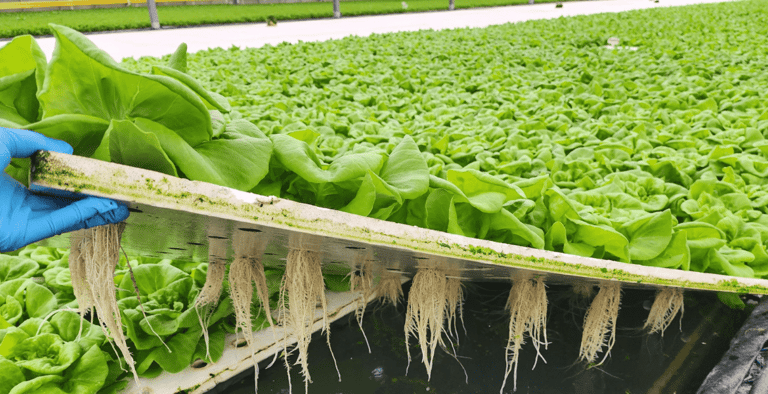
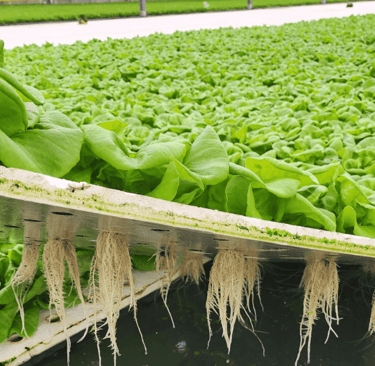
Deep Water Culture, or DWC, is a type of hydroponic system that grows plants in water instead of soil. In this setup, the plants are placed in net pots that sit on top of a bucket or container filled with water. The roots grow down into the water, which contains a mix of nutrients that the plants need to grow. This gives the plants constant access to water and food, which helps them grow faster than they would in regular soil.
Even though the roots are fully underwater, they do not drown. This is because an air pump is connected to an air stone at the bottom of the container. The air stone creates steady bubbles that rise through the water. These bubbles add oxygen to the roots, and plants need oxygen in order to stay healthy and avoid root rot. Without the air pump, the roots would not survive for long in the water.
The nutrient solution is a very important part of DWC. It contains the right balance of minerals that support plant growth. The solution is usually checked and adjusted so that the water has a healthy pH level. This makes it easier for the plant to absorb the nutrients. The grower also replaces or refreshes the water every so often to keep it clean and balanced. This helps prevent bacteria from building up in the system.
One reason DWC is popular is that it is simple to set up and does not rely on complicated equipment. A basic DWC system only needs a container, an air pump, tubing, an air stone, net pots, and the nutrient solution. Once everything is in place, the system works on its own with very little maintenance. It is also a clean method of growing because there is no soil involved. This means there is less mess and fewer chances for pests that normally live in dirt.
DWC works especially well for leafy greens and plants that grow quickly. Lettuce, basil, mint, and spinach are common examples. These plants do not need deep roots, and they respond well to constant access to nutrients. Some larger plants like tomatoes and peppers can also grow in DWC, although they may need stronger support to hold up their weight.
Overall, Deep Water Culture creates an environment where the plants get everything they need in a direct and constant way. They have water, nutrients, and oxygen all at once. This leads to strong, healthy growth and faster harvests. Because of this, DWC is considered one of the easiest and most efficient hydroponic methods for beginners, students, and even professional growers.
Pros of Deep Water Culture (DWC)
1. Easy for Beginners
The system is simple and does not require complicated channels or pumps.
2. Fast Plant Growth
Roots get lots of oxygen from air bubbles, which helps plants grow quickly.
3. Low Setup Cost
Buckets, air stones, and an air pump are inexpensive and easy to buy.
4. Stable System
Plants sit directly in nutrient water, so the system runs smoothly once set up.
5. Low Daily Maintenance
Once the pump and air stones are running, daily care is minimal.
6. Works Well for Many Plant Types
Leafy greens, herbs, and even some fruiting plants like tomatoes can grow in DWC.
7. Easy to Expand
More buckets can be added to grow larger quantities of plants.
8. Good Oxygen Supply
Air stones continuously provide oxygen, keeping roots healthy and strong.
Cons of Deep Water Culture (DWC)
1. Uses More Water
The whole bucket must stay filled, which uses more water than NFT.
2. Needs Regular Monitoring
You must check the pH and nutrient levels often to keep plants healthy.
3. Risk If Air Pump Fails
Roots can suffocate without oxygen if the pump stops working.
4. Buckets Can Be Heavy
Moving or rearranging plants is harder because the buckets are full of water.
5. Limited for Some Plants
Very large or heavy plants may need extra support to grow in DWC.
6. Water Temperature Sensitive
Roots can get stressed if water gets too hot or too cold.
7. Can Get Algae Growth
If light reaches the nutrient water, algae can grow and compete with plants.
8. Cleaning Is Needed Between Cycles
Buckets and air stones need to be cleaned after each harvest to prevent disease.
Connect
Stay updated with modern farming techniques.
Contact
ridhima.anand11@gmail.com
© 2025. All rights reserved.