Reinventing Farming for a New Generation.


Drip Water Culture
Learn how the Drip System slowly delivers nutrient water to each plant for steady and healthy growth.
Ridhima Anand
11/25/20253 मिनट पढ़ें
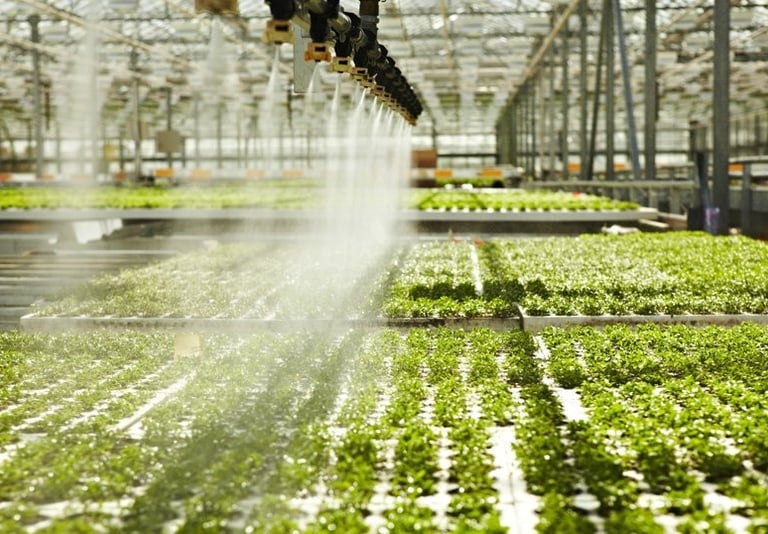
The Drip System is a type of hydroponic setup where plants are given water and nutrients through slow, steady drops. Instead of placing the roots directly in water, this system uses tubes that run to each plant. Attached to the tubes are small parts called drip emitters. These emitters release water very slowly, drop by drop, right near the base of each plant. Because the system feeds the plants slowly, they have time to absorb what they need without being flooded.
The nutrient solution in the Drip System works the same way it does in other hydroponic systems. It contains a balanced mix of minerals that help plants grow. The water travels through the tubing, reaches the drip emitters, and then falls onto the growing medium. The growing medium can be something like clay pellets, perlite, or coco coir. These materials help support the roots and hold some moisture, even though they are not soil.
A drip system usually has a pump that pushes the nutrient solution through the tubes. Some setups include a timer so the pump turns on at certain times of the day. This gives growers control over how much water the plants get and how often they receive it. The leftover nutrient solution drains out of the growing area. Depending on the type of system, it may flow back into a main tank to be reused or it may drain away.
One of the reasons the Drip System is popular is that it is very efficient. It uses less water than traditional soil growing because the water goes directly to the plant roots. It is also flexible and works for many different types of plants. Larger plants like tomatoes, peppers, and cucumbers do well in drip systems because they can handle slower, regular watering. Smaller plants also grow well, especially when the drip rate is kept light and consistent.
Growers like the Drip System because it gives them a high level of control. They can adjust the drip rate, the timing, and the amount of nutrients. This makes it easier to keep plants healthy, prevent overwatering, and avoid problems like root rot. The system does require some maintenance because the drip emitters can get clogged if the water is not clean enough. Regular checks help keep the system working smoothly.
Overall, the Drip System provides a steady and reliable way to grow plants. By giving each plant small amounts of water and nutrients throughout the day, the system supports strong, balanced growth. It is one of the most versatile hydroponic methods and is used by beginners, hobby growers, and professionals.
Drip System
Image from growwithoutsoil.com
Pros of the Drip System
1. Very Efficient With Water
The water drips directly onto the plant roots, so almost no water is wasted.
2. Works for Many Plant Types
Small plants and large plants both grow well, especially tomatoes, peppers, cucumbers, and strawberries.
3. Good for Big or Small Setups
You can add more tubes and drip emitters whenever you want, so the system grows with your garden.
4. Gives You a Lot of Control
You can change how fast each plant gets water, how often it drips, and how strong the nutrient mix is.
5. Saves Time Once Set Up
After everything is connected, the system runs automatically with a timer and pump. You do not have to water by hand.
6. Can Be Low Cost
Basic tubing and emitters are cheap. The main cost is the pump, which is still affordable for most setups.
7. Uses Nutrients Efficiently
Plants get small doses over time, which helps steady growth and reduces waste.
Cons of the Drip System
1. Setup Can Be Confusing
There are many parts such as tubing, connectors, emitters, and a pump. It takes time to set up correctly.
2. Emitters Can Clog Easily
Mineral buildup or dirt can block the tiny openings. This stops water from reaching the plant.
3. Requires Regular Checking
You have to look at the tubes and emitters often to make sure everything is working. This adds a bit of weekly maintenance.
4. Uneven Watering Can Happen
If one tube clogs or leaks, some plants may get too little or too much water.
5. Needs Electricity
The pump needs power. If the power goes out for too long, plants may not get water.
6. Can Become Expensive for Large Systems
Small systems are cheap, but as you add more plants, you need more tubing, more emitters, and a stronger pump.
7. Takes Time to Adjust Correctly
Finding the right drip speed for each plant can take trial and error.
Connect
Stay updated with modern farming techniques.
Contact
ridhima.anand11@gmail.com
© 2025. All rights reserved.